
Compliance is a discipline.
It’s not Legal. And it needs to be treated like its own thing.
PliAbilities exists to give compliance professionals the frameworks, tools, and resources to do their jobs well—built around the reality that no two professionals, and no two programs, are the same.
For a long time, compliance hiring looked like building a legal department: Find a lawyer, add some training, check the box. The assumption was that legal expertise and compliance capability were the same thing.
They're not.
There are extraordinary compliance professionals who never passed a bar exam and never will, because they don’t need to. There are also lawyers in compliance roles who are technically qualified and operationally lost. The credential was never the point. The capability was.
(If you just said "thank you!" out loud, keep reading.)
The profession has gotten better at recognizing this. But somewhere along the way, the conversation about what compliance professionals need collapsed into a single word: influence. One skill. As if being persuasive is enough when you don't fully understand what enforcement actually expects of the programs you're building.
Enforcement agencies have been telling the profession exactly what they're looking for since the Evaluation of Corporate Compliance Programs was published in 2017. And yet compliance programs still largely measure activity and outputs instead of what actually matters: whether organizational risk is going down.
That cycle is worth breaking.
Compliance done well is compliance done by people, designed around how humans do the work, and connected to the core risks facing the organization. That's not a new idea. It’s just that nobody has built compliance professionals the tools to actually do it. So we did.
(If you're nodding at your screen right now, you've come to the right place. You get it. I get it. Let's get after it together.)
Who’s behind it
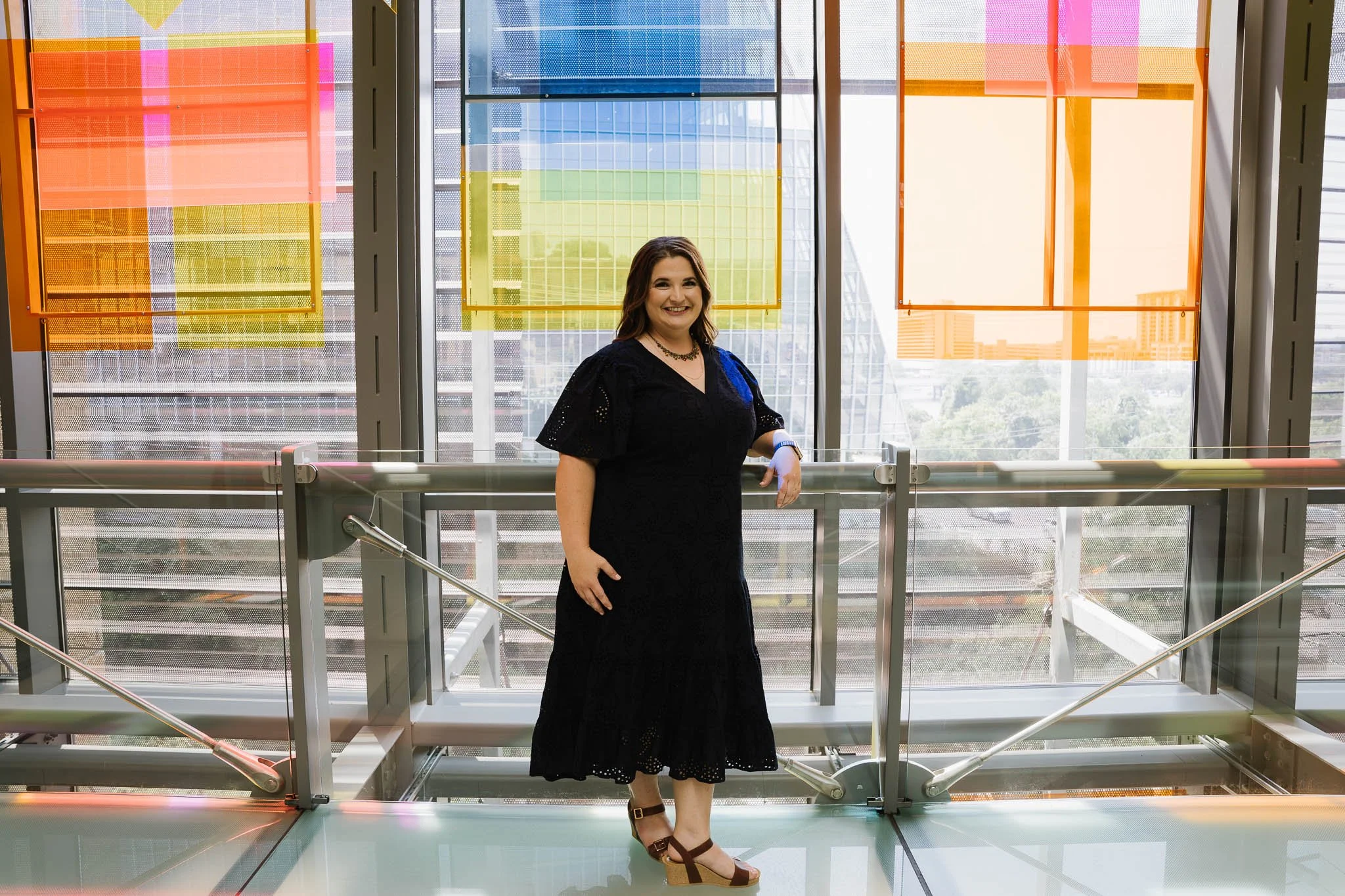
I'm Courtney Sander. I've spent 15 years building and running compliance programs, doing the operational work of standing them up, making them function, keeping them credible, and advising on how to make them work better. I've built programs at major corporations and led operations at organizations where efficiency, the right people in the right seats, and getting things done the right way weren't aspirational values.
I was also an early Broadcat employee, part of the team that changed how compliance people thought about training itself. Back then, Broadcat had just figured out what compliance training could look like if someone actually thought carefully about it: operational training built for the employees who just needed to understand the rules well enough to do their jobs correctly. I worked every angle of that company: helping organizations transform how they delivered compliance to their workforce, keeping the operation running, making sure the people inside it were taken care of, and eventually helping position it for a major acquisition. I saw, up close, what it looks like when compliance actually lands with the people it's meant to reach.
And across all of it, I kept noticing the same two things. Compliance programs that couldn't connect what they were doing to the actual risks facing the organization. And compliance professionals who couldn't demonstrate how their work was moving the needle—not because they weren't capable, but because nobody had ever handed them the frameworks to do it. Compliance itself isn't changing. But the people behind it can do things differently. That's what I'm here for—to take everything these experiences taught me and give you another perspective, and a way out of the rut.
I hold a CCEP (because you're not fully credible in this profession without one) and an MA in Applied and Professional Ethics (because I wanted to understand the reasoning underneath the rules, not just the rules themselves).
This is how I work. I fix things—not in a tinkering-around-the-edges way, but in a see-the-whole-system, find-what's-actually-broken, build-something-that-lasts way. I finish things. I care about how work actually gets done, not how it looks on paper. And I will tell you the truth about your program even when it's uncomfortable, because that's the only version of helpful that matters.
You're a compliance professional who feels like the value you bring isn't being captured.
Or you're running a program that has grown into something you're not sure you'd design the same way today.
Or compliance is one of several hats you wear, and nobody ever built you the tools for it.
(Maybe more than one of those.)
Whichever one you are, you don't have to keep carrying compliance the way it accumulated. The goal was never a smaller program. It's one where everything left is there because it works.
Start with The Ultimate Compliance Job Description. It’s capability-first and an immediate look at what a different approach feels like.
Or if it's your program that needs the fresh look, find out what it should stop doing.
Who this is for
Good resources
Field Guide to Compliance
A publication for practitioners thinking carefully about how the field works and where it falls short.
The Ultimate Compliance Job Description
Capability-first frameworks that replace credential-heavy job descriptions, for every career level.